Case study · Automated Logic
Inside WebCTRL: protecting priceless art at the Nelson-Atkins Museum of Art
 Case study03:31
WebCTRL trend data proves the museum holds the conditions lenders require. That's what lets it take in special exhibitions and loan pieces.
Facts
The building.
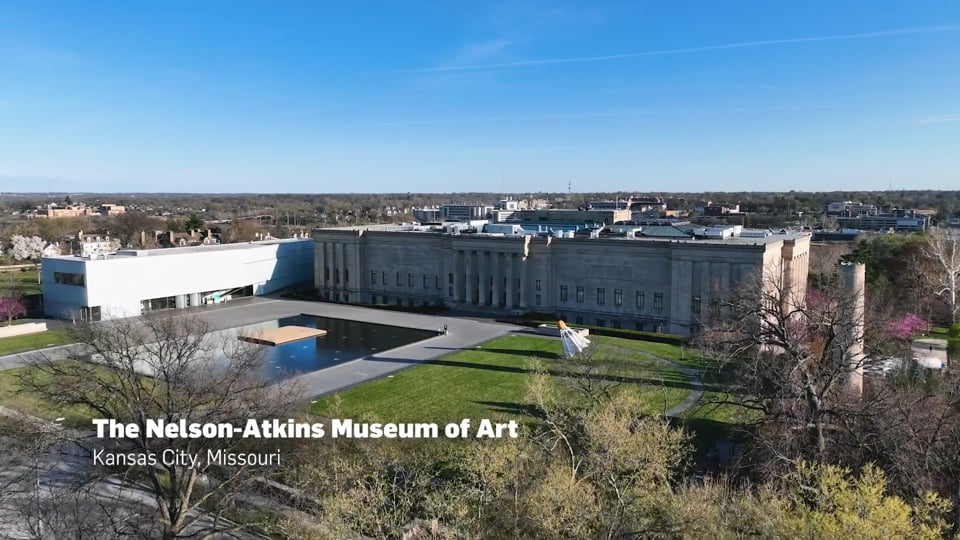
400,000 square feet on 22 acres of sculpture park. Almost a million visitors a year. Art that is "very, very sensitive to slight fluctuations in temperature and humidity." Equipment from old contactors and pneumatics to brand new, all on one control backbone.
What the film shows.
How Control Service Company keeps a 24/7 museum running with "extraordinary accuracy", and how the museum staff use WebCTRL floor plans to see the health of the building and drill into a problem.
“Like a good doctor, they see our facility clearly.”
Nelson-Atkins Museum of Art, in the film
Transcript
The Nelson-Atkins Museum of Art is a 400,000 square foot facility on 22 acres of sculpture park in Kansas City, Missouri. It houses five thousand years of humankind's most incredible artistic achievements. We welcome almost a million visitors a year, so, of course, they have their own creature comforts that we need to address. But if you look around me, you see some of the remarkable objects of the museum's collection. They too need to be cared for.
That requirement makes us a 24/7 operating facility that has to be driven with extraordinary accuracy. CSC helps us do that. So Control Service Company is very good about asking the facility manager what are your problems, and coming up with very innovative solutions to handle those problems. So we like to say service is our middle name. All the folks at Control Service Company live that.
They support each other from a service perspective, and we support the customer just as well, and it's reflected to our customers, and they know they can count on us for service and quick response. Because of the age of our facility, we have many different generations of equipment, from old contactors to pneumatic equipment to equipment that's brand new. And because of that, we need a control backbone that allows us to interface with that equipment and get trend data where we need it. What this trend data allows us to do is prove over time, in the spaces where their works will be displayed, that we're able to maintain the sensitive parameters that they require for their work when it's within our facility. The art itself is very, very sensitive to slight fluctuations in temperature and humidity changes.
Data collection within the WebCTRL platform itself is native and intuitive. The flexibility of WebCTRL and the ability of WebCTRL to package the data and trend the data over long periods of time is instrumental in allowing the museum itself to acquire special exhibitions and other loan pieces. From our lobby to somewhere like our Chinese temple where we're displaying Chinese bronze, Chinese stonework, and in particular, our monumental Chinese mud wall painting, regardless of where it is, we still maintain the same parameters. You know, this controls product that we leave with you is what you're going to have as an interface to your building after we leave and from here on out. It is the one thing you will use daily to make sure your building's running well.
And the thermographic presence, you can call up that floor plan and look at the health of your building and see it immediately, and then you can drill down into that problem and figure it out. As a previous customer and a current employee of Control Service Company, there is not a better product than Automated Logic that I could offer to a facilities manager. Control Service has been a great partner for the Nelson-Atkins Museum of Art over many years. Like a good doctor, they see our facility clearly. They come to our help when we need it and bring critical information that helps us run our facility.
I cannot imagine my staff getting through any day without WebCTRL. It is part of their everyday life at the museum and something that they literally could not do their jobs without.