Is there an HVAC technician shortage? For employers, yes. The U.S. Bureau of Labor Statistics projects about 40,600 openings a year for HVAC mechanics and installers through 2035. Only about 4,800 of them are new jobs. The rest replace people who retire or leave the trade. Controls technicians aren't counted separately, so building automation companies hire from the same tight pool.
If you run service at a mechanical contractor, a controls company or a plant, you don't need a government report to tell you hiring is hard. You live it. What the report can tell you is why, and whether it's about to get easier.
It isn't. Here are the numbers, where controls techs fit in them (mostly, they don't), and what you can actually fix.
The numbers
BLS updated its Occupational Outlook Handbook on August 27, 2026. These are the 2025 job counts and the 2025–35 projections for the five trades a commercial HVAC, controls or plant team hires from.
| Trade | Jobs (2025) | Growth, 2025–35 | Openings a year (average) | Median pay (2025) |
|---|---|---|---|---|
| HVAC mechanics and installers | 440,900 | 11% | 40,600 | $61,010 |
| Electricians | 821,000 | 9% | 72,700 | $63,190 |
| Plumbers, pipefitters and steamfitters | 510,600 | 7% | 42,000 | $63,800 |
| Sheet metal workers | 131,100 | 3% | 9,800 | $61,800 |
| Industrial machinery mechanics, machinery maintenance workers and millwrights | 547,300 | 14% | 51,900 | $64,100 |
Source: U.S. Bureau of Labor Statistics, Occupational Outlook Handbook. Each trade name links to its BLS page; all five pages were last modified August 27, 2026. Openings include new jobs plus replacements for people who change occupations or leave the workforce. BLS does not publish a "shortage" number, and it has no separate count for building automation or controls technicians. Data checked: October 20, 2026.
Three things jump out.
Most openings are replacements, not growth. BLS rates HVAC's 11% growth "much faster than average," and it still adds only about 4,800 new jobs a year (BLS projects 48,200 over the decade). The other 35,800 or so openings each year are seats somebody left. Plumbing, pipefitting and sheet metal lean even harder on replacements. You aren't hiring into a boom. You're mostly hiring to stand still.
New hires take time. BLS lists the typical training for HVAC mechanics as "long-term on-the-job training." Electricians, plumbers and sheet metal workers typically train through apprenticeships. A new name on the schedule Monday isn't a tech who can run a call alone.
Everyone is fishing in the same pond. Add the five rows and you get about 217,000 openings a year. The person who could be your next service tech is also being chased by the electrical contractor wiring data centers and the plant across town.
Controls techs: the people nobody counts
Here's what most shortage articles skip. BLS has no profile for building automation technicians or controls technicians. The Handbook's A–Z index has no entry for either title (checked October 20, 2026). It does list a "Control Electrician," and it files that title under electricians.
So nobody publishes a clean shortage number for controls. Anyone quoting one is estimating, and you should ask how.
What the Handbook does say: modern HVACR systems "contain computerized components and networking features" that HVAC techs must be able to install or repair. So the skills a controls company needs sit inside the HVAC and electrician counts in the table. Every controls hire you make is a tech some other service department wanted too.
That makes your hiring problem a visibility problem. The candidate who can troubleshoot a VAV box and talk BACnet already has options. If they can't see what working for you looks like, they'll take the job they can see.
It isn't just HVAC
Associated Builders and Contractors runs its own model of construction labor demand. Its January 15, 2026 release estimates the industry must attract about 349,000 net new workers in 2026 and 456,000 in 2027.
Two lines from that release matter here. ABC's chief economist says "a majority of new worker demand in 2026 will be attributable to retirement rather than increased demand for construction services." And: "Approximately one-fifth of all electricians are over 55."
Read it for what it is. It's a model estimate, not a count of open jobs. But it points the same way as the BLS table. In 2026 the pressure is people leaving, not a sudden flood of new work.
What you can actually control
You can't fix the labor market. You can fix how your company looks to the few people who are looking.
- Be findable as an employer. One careers page. One page per open role, with the city, the type of work and who they'd report to. Take it down when the seat is filled. A dead posting tells a candidate nobody's paying attention.
- Show the job. The truck. The mechanical room. The front-end screen. The crew. The path from apprentice to lead tech. Nobody can picture your shop from a bullet list.
- Put your techs on LinkedIn, not just your logo. Candidates check who works there. A company page that hasn't posted since spring says something, and it isn't "growing team."
- Move fast. Call back the same day. Every day a good candidate waits is a day somebody else can call first.
- Work the schools and apprenticeships. Know the HVAC and electrical instructors at your technical college by name. Be the company their students already know before they finish.
None of this is software. Most of it is showing up, on purpose, where candidates already look.
What a recruiting film should show
Here's one we made for ACES (Automatic Controls), a St. Louis building automation contractor. The team says, in their own words, what ACES is like and who does well there: people ready for a challenge, team players with a sense of urgency, people who care about customers.
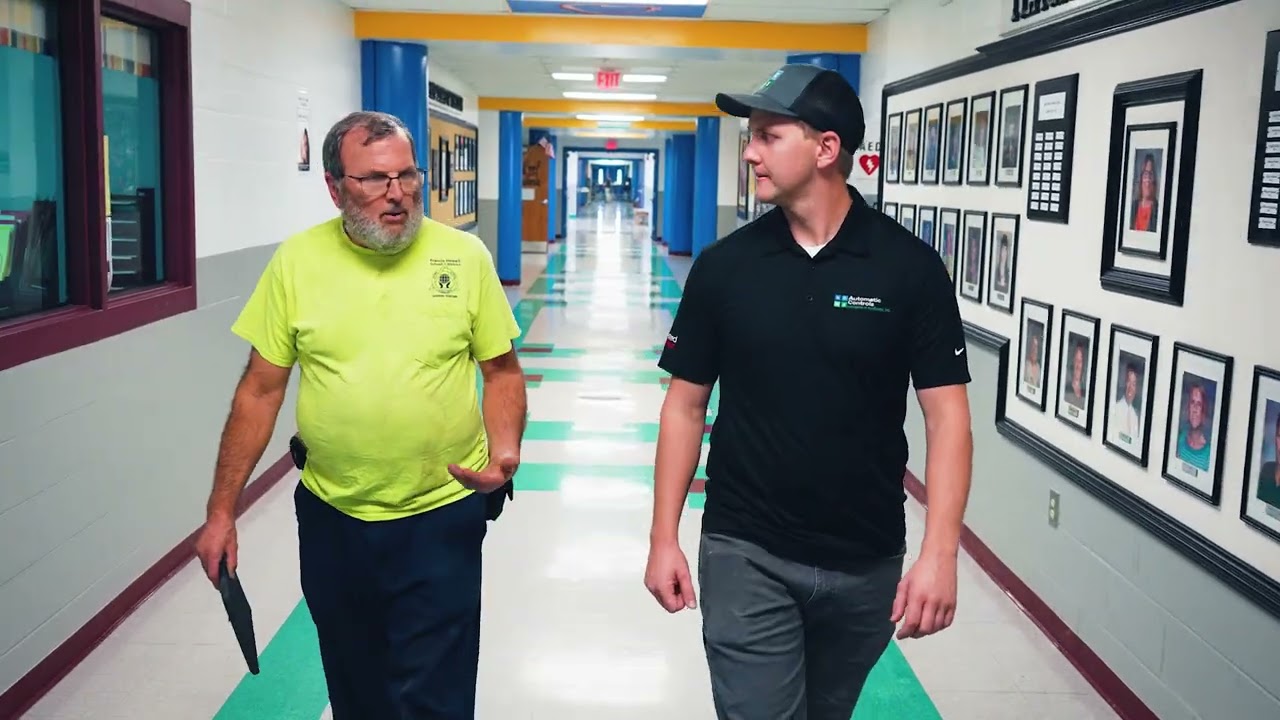 Film01:52
We also shot a field engineer recruitment film for Automated Logic. The story behind it is on its own page.
The first decision isn't the camera. It's who the film is for. A film aimed at a second-year apprentice and one aimed at an experienced controls tech are different films, with different people on screen and different reasons to apply. Decide that before anyone books a crew. (More on that in positioning before production.)
A film doesn't hire anyone. It lets the right person see the job before they apply.
FAQ
Is there an HVAC technician shortage?
Yes, in the way that matters to employers. BLS projects about 40,600 openings a year for HVAC mechanics and installers through 2035, and most of them replace people who leave. BLS doesn't publish a "shortage" number. It publishes openings.
Does BLS track building automation or controls technicians?
Not separately. The Occupational Outlook Handbook has no profile for building automation or controls technicians, and its A–Z index has no entry for either title. The nearest counts are HVAC mechanics, whose systems BLS says now "contain computerized components and networking features," and electricians, where the index files "Control Electrician."
Are HVAC technicians in demand?
Yes. BLS projects HVAC employment to grow 11% from 2025 to 2035, which it rates "much faster than average." Median pay was $61,010 a year in 2025.
Do recruiting videos work?
Not on their own. A video doesn't hire anyone, and nobody can promise you hires from one. What it does is show the job to people who can't see it any other way: the building, the work, the crew. Put it where candidates already look, on your careers page and your LinkedIn, next to a real posting and a fast reply.
Next step
Candidates check the same places buyers do: your website, your LinkedIn company page, whether you post, whether your team shows up. Our free 13-step marketing scan checks all of it, including company page health, posting consistency and team visibility. Twenty minutes. You leave with a ranked list of what to fix first. ALC dealer? Start at the dealer hub. Fixes are MDF-eligible.